

What is epoxy crystallization?

Before we explain the process of crystallization in epoxy resin, it is important to know that "crystallization"is NOT a problem, but rather an inconvenience and a reversible process to overcome. Do not worry if you find yourself in such a situation.
Crystallization is a natural process, similar to water, when the temperature of the liquid changes – it changes its state. In our case, the resin can crystallize due to various factors. During crystallization, the change in the resin's color is immediately noticeable, becoming milky and less transparent.
Similar to water, once heated, the epoxy returns to its original liquid state without any change or damage to its properties. The difference is that water melts atapproximately 0°C, while the melting point forepoxy resinepoxy is 50°C..
Why does epoxy resin crystallize?
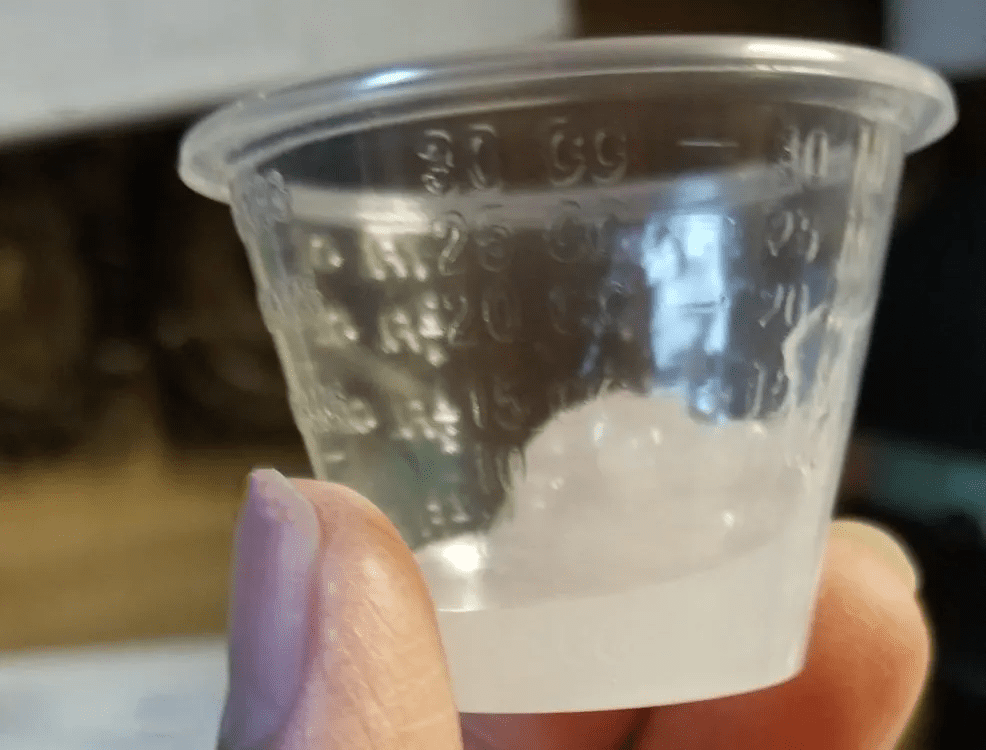
In fact, the crystallization process is unpredictable. The instructions on our epoxy products will help you store it at a specific temperature indicated on the bottle. However, it can change during transportation, which is beyond our control.
Some reasons for epoxy resin crystallization:
- Low viscosity (Density and resistance to pouring). The crystallization rate is faster in resins with lower viscosity. Lowering the temperature increases viscosity and thus reduces molecular movement and crystallization rate.
- Temperature fluctuations– Occur between day and night. Low temperatures can reduce crystal formation by slowing movement (increasing viscosity).
- Extreme low temperatures– Accelerate crystal formation.
- Thermal cycle –The temperature range of 20 – 30 °C is the most common cause of crystallization.
How to return crystallized epoxy resin to its original state?
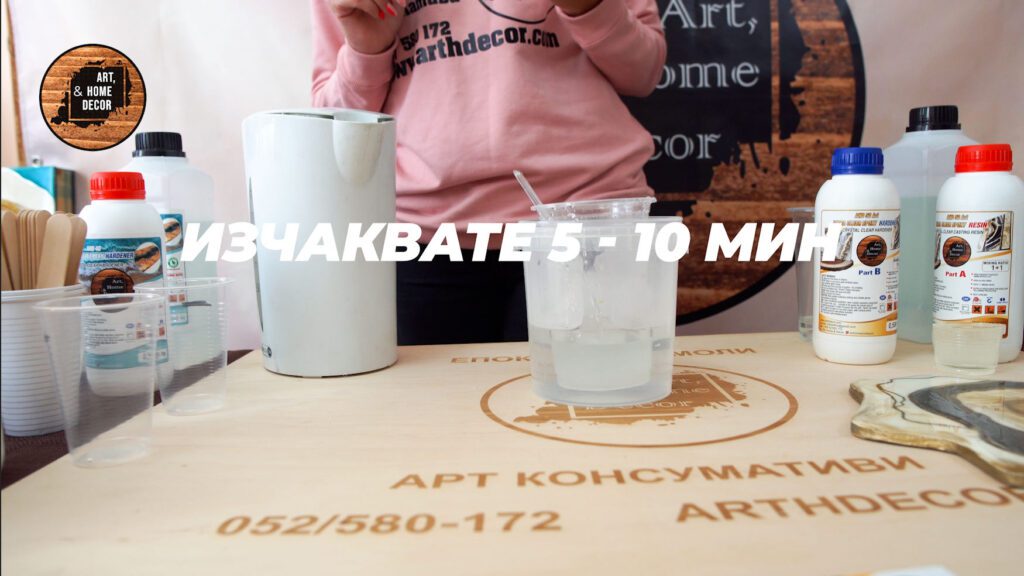
You can return the epoxy to its normal state by:
1.Heating the crystallized epoxy resin between 50 and 60 degrees. In our example, we heat water with an electric kettle and place the resin in a water bath.
2. Stir the epoxy thoroughly, including the walls and bottom of the container (cup) you are using, to ensure all crystals have melted and the heat is evenly distributed.
3. Check your resin every 10, 20, 30 minutes or 1 hour until all traces of crystals disappear. (The size of the container you use will affect the time needed for DEcrystallization.
4. Let your epoxy cool to room temperature before using it.
Note: Treatment with low-temperature heat DOES NOT damage your epoxy resin or affect its properties. Also, since you have not mixed it yet withhardener, it will not harden.